
Garage Door Safety Spring, TX | Injury Prevention – (346) 514-5120
Garage door safety guide for Spring, TX families: injury risks, DIY dangers & prevention tips. Call (346) 514-5120 for a safe, professional repair.
Garage Door Safety in Spring, TX: What Every Homeowner Should Know
A garage door is one of the largest, heaviest moving objects in most homes, typically weighing 150 to 300 pounds or more, and it’s operated by hand or by a motor dozens of times a week without most people thinking twice about it. That familiarity is exactly why garage door injuries are more common than most homeowners expect and why understanding the real risks, not just the marketing-driven scare tactics some companies use, matters for every household in Spring, TX.
How Common Are Garage Door Injuries?
National data from the Consumer Product Safety Commission shows an estimated 20,000 to 30,000 garage-door-related injuries occur in the U.S. every year, with roughly 7,600 of those involving fingers pinched or crushed between door panels. More than 2,000 people annually are crushed by a garage door, and over 7,500 are pinched during normal operation. These aren’t rare, freak accidents; they’re a predictable pattern tied to how garage doors are used and, in many cases, how they’re maintained.
Who Is Most at Risk?
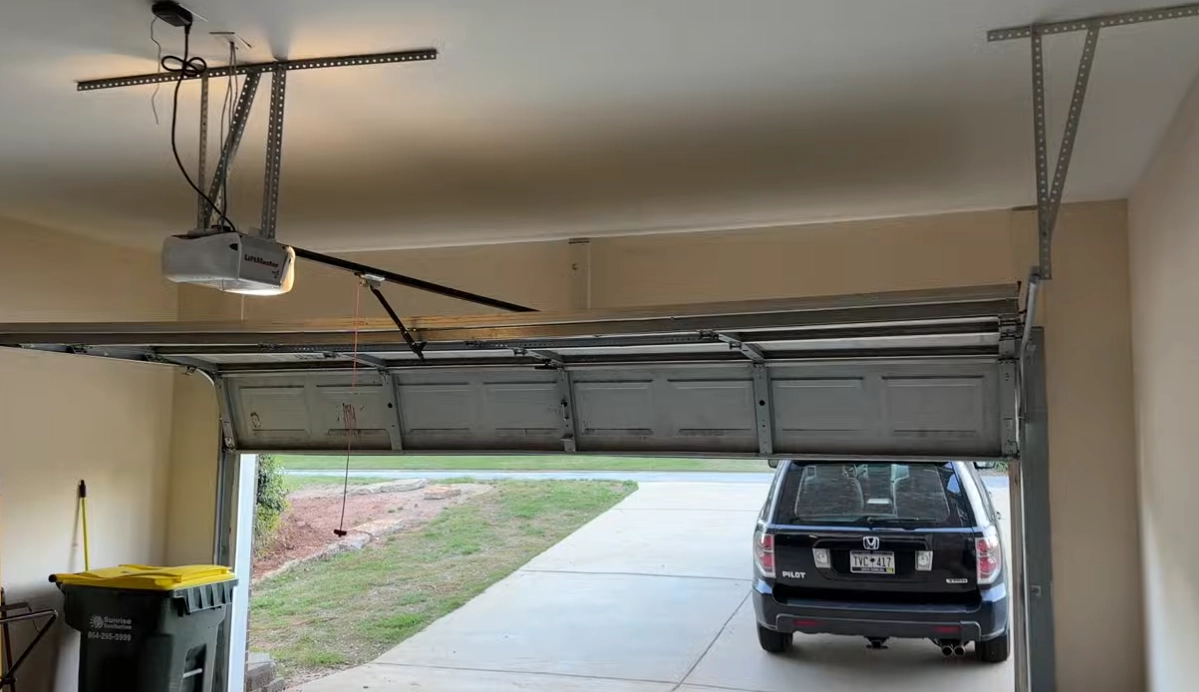
- Young children, whose fingers can be caught in door panel seams or pinch points during normal operation
- Older adults, who are disproportionately represented in fall- and crush-related garage door injury statistics
- Anyone attempting a DIY spring or cable repair without the correct tools or training
- Pets, who can be struck or trapped by a door with a malfunctioning or disabled safety-reversal sensor
Why Spring Tension Is the Single Biggest Risk
Torsion and extension springs store an enormous amount of mechanical energy to counterbalance the door’s weight. When that tension releases in an uncontrolled way, which is exactly what can happen during a DIY repair attempt without proper winding bars and technique, the results can be severe. Medical literature includes documented cases of serious eye injury from spring components releasing at high velocity during DIY attempts, underscoring that this isn’t a job for a general handyman or a confident first-time DIYer. Professional spring replacement uses specific tools designed to control that tension safely throughout the repair.
The Role of Safety-Reversal Sensors
Modern garage door openers are required to include photo-eye sensors near the floor on both sides of the door, which stop and reverse the door if something breaks the beam while it’s closing. This feature exists specifically to prevent a closing door from striking a child, pet, or object. In Houston’s humid climate, these sensors are also one of the more failure-prone components; fogging, misalignment, or wiring corrosion can all cause a sensor to stop working correctly, sometimes without any obvious symptom until it fails to catch something in the door’s path. This is one of the most important reasons to include sensor testing as part of routine maintenance, not just something you check when there’s already a problem.
Security Risk: The Overlooked Safety Issue
Beyond physical injury, a malfunctioning or easily bypassed garage door is also a home security gap. Unsecured or malfunctioning garage doors are linked to a significant share of residential burglaries nationally, making a fully functional, properly secured door a genuine safety issue for the household, not just a convenience matter.
What’s Genuinely Safe to Do Yourself
- Visual inspection. Looking for rust, fraying cables, or visible gaps in a spring coil is safe and doesn’t require touching any tensioned component.
- Sensor cleaning. Wiping down photo-eye lenses with a soft cloth is a safe, simple task that can resolve many false-reversal issues.
- Lubrication of rollers and hinges. Applying silicone- or lithium-based lubricant to accessible moving parts, avoiding the spring coil itself if you’re not confident distinguishing safe contact points, is low-risk.
- Reconnecting the emergency release cord. If the door is fully closed and stable, safely re-engaging the trolley is a simple, safe task.
What Should Always Be Left to a Professional
- Any spring adjustment, winding, or replacement
- Cable replacement or adjustment
- Working on a door that’s off-track or stuck partway
- Opener installation involving high-tension components
Teaching Kids Garage Door Safety
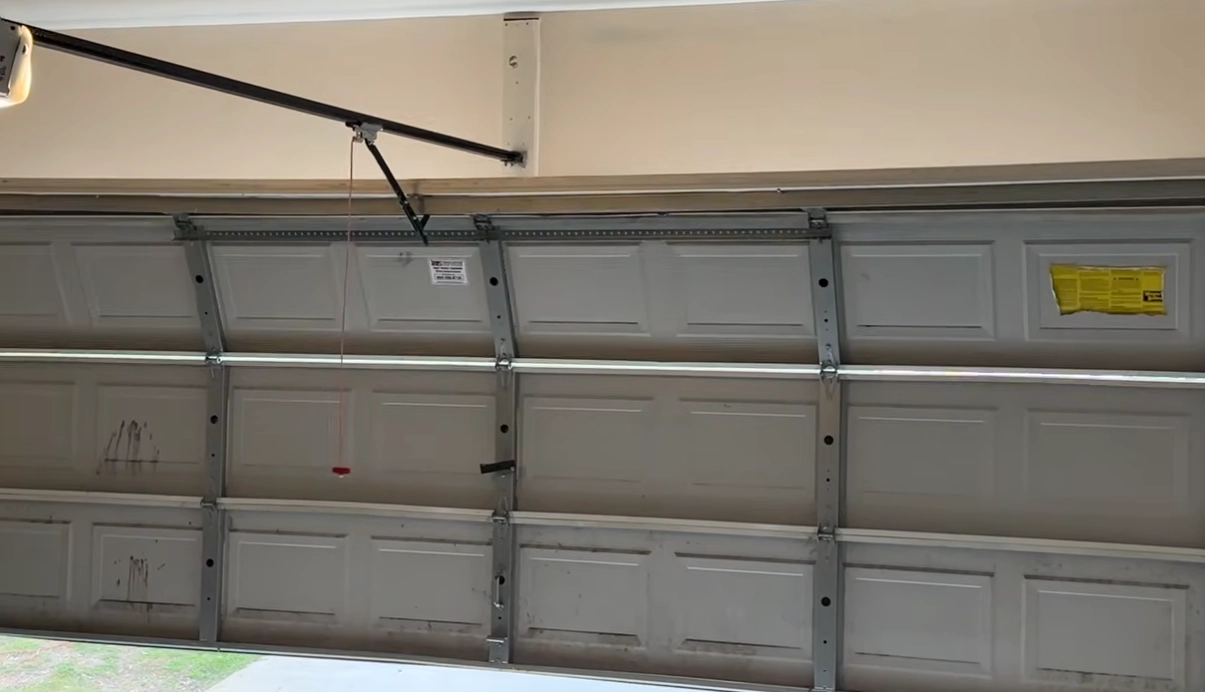
A few simple household rules meaningfully reduce risk for families with young children: never let kids play near a moving door, never let them use the wall button as a toy, and periodically test that the door reverses when something (a piece of wood, not a hand) is placed in its path. If your door doesn’t reverse reliably when tested this way, treat it as an urgent repair, not a maintenance item to schedule for later.
Why Houston’s Climate Adds to the Safety Equation
Everything covered so far applies nationally, but Spring, TX’s climate compounds the risk in specific ways. Humidity-driven corrosion weakens springs and cables faster than in drier regions, meaning components can fail sooner than a homeowner following a generic national maintenance schedule would expect. Heat cycling adds mechanical stress on top of that corrosion. And storm season introduces power outages that can leave a battery-less opener non-functional right when a family needs reliable access most, whether that’s evacuating ahead of a storm or simply getting a car out during a prolonged outage.
A Practical Home Safety Checklist
- Test the safety-reversal sensor with the paper-towel-roll method at least twice a year
- Visually check for rust or fraying on springs and cables during routine maintenance
- Confirm the emergency release cord is accessible and everyone in the household knows what it does
- Never let children treat the garage door opener button as a toy
- If the door doesn’t reverse reliably during testing, stop using it and call for repair the same day
When a Garage Door Issue Becomes an Emergency
A door that’s fallen suddenly, a spring that’s visibly snapped, or a door that won’t reverse when tested for safety should be treated as same-day priorities, not something to schedule for next week. These situations carry real injury risk with continued use, and addressing them quickly is meaningfully safer than waiting.
Frequently Asked Questions
Contact Us
Address: 23801 Cypresswood Dr, Spring, TX 77373
Phone: (346) 514-5120
24/7 emergency line, standard business hours for scheduled work.
Call now for same-day service, or request a free written estimate online.